

Complete Guide to Training Gear: Essentials for 2026
The world of training gear is evolving faster than ever, transforming how athletes and fitness enthusiasts pursue their goals. As we approach 2026, having the right training gear is now essential for maximizing results and staying motivated. In this complete guide, you will discover the must-have apparel, footwear, accessories, equipment, and cutting-edge tech shaping the future of fitness. We will also explore gear maintenance tips to help you get the most out of your investments. Ready to upgrade your performance? Dive into each section and unlock your full potential.
The Evolution of Training Gear: Trends for 2026
As we approach 2026, the landscape of training gear is undergoing rapid transformation. This evolution is driven by advancements in technology, a shift toward sustainability, and a growing emphasis on inclusivity. Understanding how training gear has changed helps athletes and fitness enthusiasts make informed decisions that maximize their performance and comfort.
Key Innovations Shaping Training Gear
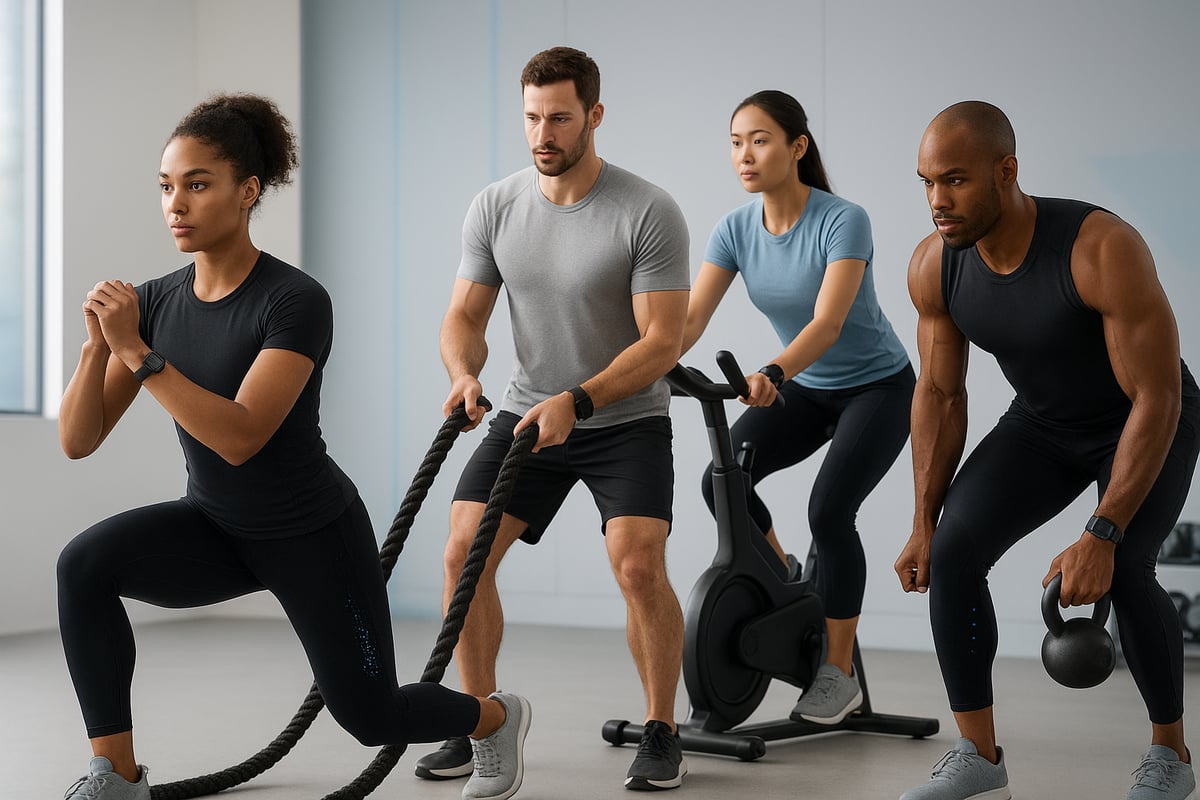
Over the past decade, training gear has shifted from basic, utilitarian items to highly engineered products. Today's gear incorporates smart fabrics, wearables, and eco-friendly materials, setting new standards for performance and sustainability.
One of the most significant breakthroughs is the integration of smart textiles. These fabrics can monitor biometrics, manage temperature, and even provide real-time feedback. For example, smart leggings now feature embedded sensors that track muscle activation and form. Temperature-regulating shirts adjust to body heat, ensuring optimal comfort during workouts.
The rise of gender-specific and inclusive training gear options is another major trend. Brands are expanding sizing, fit, and design to accommodate all body types and preferences. This focus on inclusivity reflects broader consumer demand for personalized athletic wear.
Sustainability is now at the forefront. Many manufacturers use recycled materials and prioritize ethical production methods. Market research shows that over 60 percent of consumers prefer sustainable training gear, and the market for eco-friendly athletic wear is projected to grow steadily through 2026.
Performance tracking technology is also being woven into apparel and equipment, allowing users to analyze metrics such as heart rate, calorie burn, and movement patterns. According to recent industry reports, the wearable tech market is expected to grow by 20 percent by 2026.
For a deeper understanding of how smart textiles are transforming fitness apparel, providing real-time monitoring and enhanced performance, read about the impact of smart fabrics on fitness gear.
Looking ahead, the next wave of training gear trends will likely feature even more adaptive materials, improved data integration, and broader access to high-tech, sustainable products.
How Training Gear Impacts Performance and Motivation
The quality of training gear directly influences workout outcomes. Well-designed gear supports the body, reduces fatigue, and enhances movement efficiency. When athletes use advanced training gear, they often experience measurable improvements in performance.
Beyond physical benefits, training gear contributes to psychological factors such as confidence and motivation. Wearing the right gear can create a sense of readiness, making it easier to maintain consistency and push through challenging sessions. Studies reveal that athletes using specialized training gear report higher satisfaction and improved performance metrics compared to those with standard equipment.
| Gear Feature | Performance Benefit | Psychological Effect |
|---|---|---|
| Compression fabrics | Enhanced muscle support | Increased confidence |
| Smart textiles | Real-time feedback | Motivation to improve |
| Inclusive sizing | Better fit and comfort | Sense of belonging |
Fit, comfort, and durability are crucial for long-term success. Ill-fitting or worn-out training gear can hinder progress and even increase the risk of injury. Choosing gear with advanced materials and thoughtful design ensures athletes stay focused on their goals.
In summary, investing in high-quality training gear not only boosts physical results but also fosters a positive mindset, which is essential for reaching new heights in 2026.
Essential Training Apparel for 2026
Selecting the right training gear is crucial for athletes and fitness enthusiasts aiming to maximize their results in 2026. Modern apparel is no longer just about style; it’s a blend of advanced materials, innovative features, and inclusive design. Let’s explore the essential tops, bottoms, and undergarments that set the standard for next-generation performance.
Must-Have Tops and Outerwear
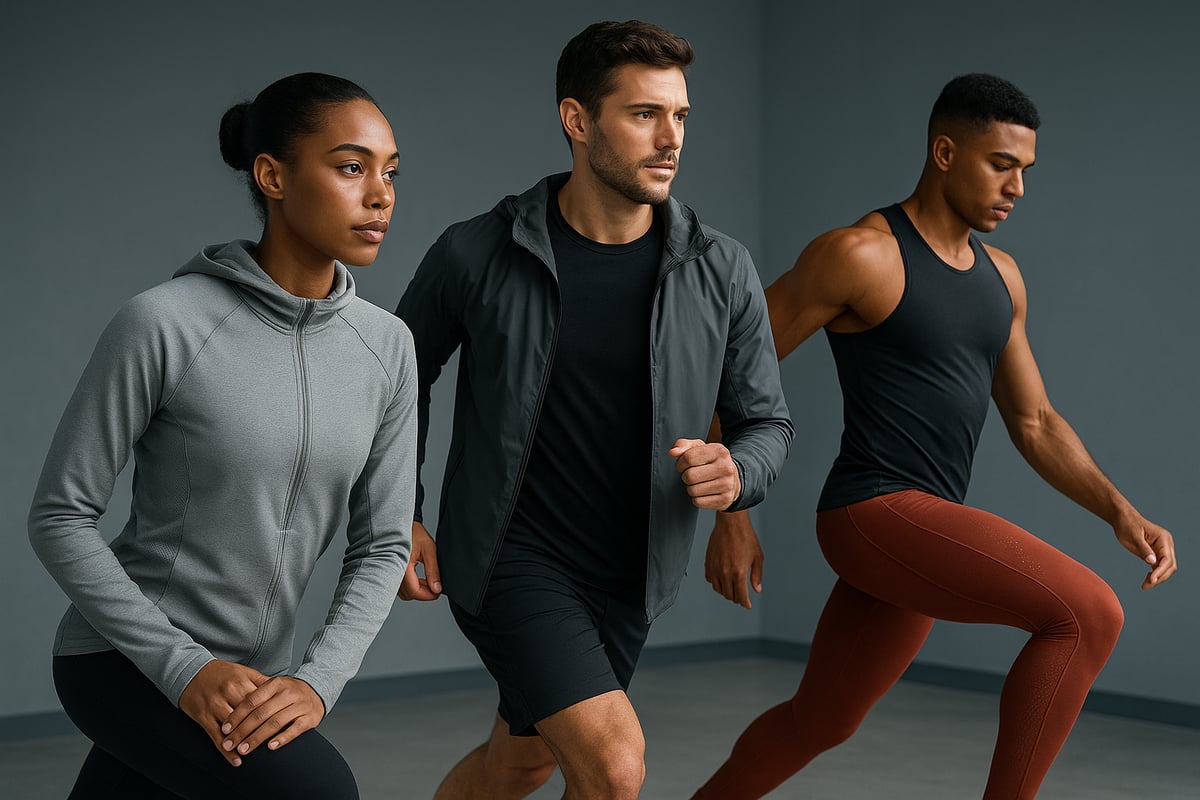
The foundation of effective training gear starts with what you wear on top. In 2026, moisture-wicking tees and compression tops are essential for managing sweat and supporting muscle recovery. Performance hoodies have evolved to include built-in ventilation panels, providing targeted airflow during intense workouts. Weather-resistant jackets now offer lightweight protection with four-way stretch and UV protection for outdoor sessions.
Material innovations drive these advancements. Antimicrobial fabrics help prevent odor, while seamless construction reduces chafing. Gender-specific fits and inclusive sizing ensure that all athletes can find apparel that matches their body type and training needs. Layering remains a key strategy, allowing you to adapt to changing climates and activity levels.
When assembling your training gear, prioritize tops that balance breathability, flexibility, and protection. Look for features like thumbholes, zippered pockets, and adjustable hoods to enhance versatility. Investing in outerwear that adapts to both warm and cold environments keeps your routine consistent year-round.
Bottoms and Leggings: Comfort Meets Functionality
Bottoms have become a focal point of training gear innovation. High-waisted leggings offer core support and stay in place during movement, while scrunch bum designs enhance fit and aesthetics. Compression shorts and flexible joggers cater to a wide range of activities, from HIIT to yoga.
The benefits of these designs are clear: muscle support, improved range of motion, and advanced sweat management. Trends like seamless construction, integrated phone pockets, and reflective details address both function and safety. Bold prints and color-blocking allow for personal expression without sacrificing performance.
For a deeper dive into the latest in leggings technology, including the advantages of scrunch bum features, see Scrunch Bum Leggings Explained. As you update your training gear, seek out bottoms that combine comfort with practical innovations, ensuring every session is as productive as possible.
Sports Bras and Supportive Undergarments
No set of training gear is complete without supportive undergarments. Sports bras are now available in a spectrum of support levels, from low-impact options for yoga to high-impact designs for running and HIIT. Breathable, sweat-proof materials and wireless support systems boost comfort and reduce chafing.
Adjustable straps and removable padding offer a customizable fit, which is vital for injury prevention and overall comfort. The market has seen a notable increase in demand for high-impact sports bras, reflecting a growing recognition of their role in performance and safety.
Inclusive sizing and innovative designs ensure that every athlete can find the right fit. When selecting training gear, prioritize undergarments that provide reliable support and adapt to your specific activities. This attention to detail helps maintain focus and confidence during every workout.
Footwear Fundamentals: Training Shoes for Every Activity
The right footwear is the bedrock of any effective training gear setup. Shoes are more than just accessories; they are precision tools designed to enhance performance, prevent injuries, and keep athletes comfortable through every workout. As training gear continues to evolve in 2026, understanding the fundamentals of athletic footwear is essential for anyone looking to maximize their results.
Choosing the Right Training Shoes
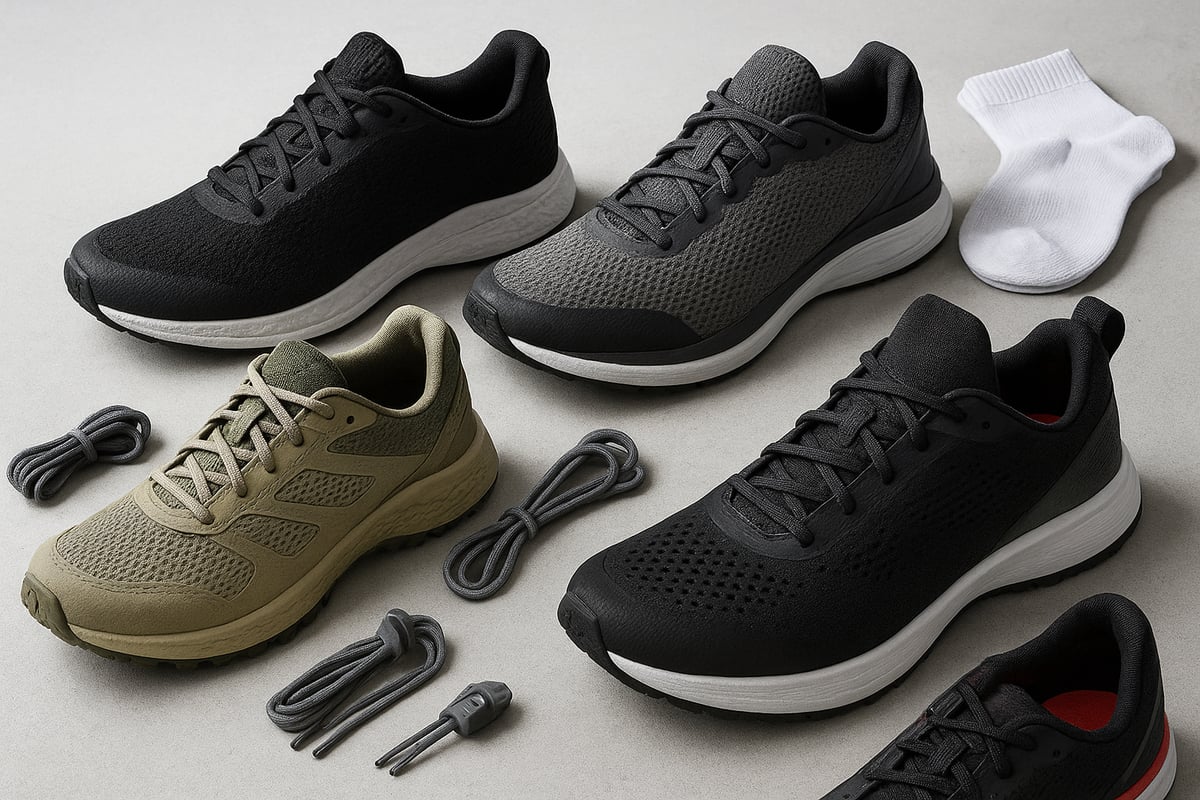
Selecting the right pair of shoes is crucial for unlocking the full potential of your training gear. Different activities demand specialized footwear to support the unique movements and stresses each workout entails. For example, running shoes prioritize cushioning and shock absorption, while weightlifting shoes focus on stability and a solid base for heavy lifts.
Here is a quick comparison of training shoe types:
| Activity | Key Features | Example Innovation |
|---|---|---|
| Running | Cushioning, flexibility | Energy-return midsoles |
| Cross-training | Lateral support, grip | Hybrid soles for indoor/outdoor use |
| HIIT | Shock absorption, traction | Multi-directional tread |
| Trail | Aggressive grip, protection | Water-resistant uppers |
| Weightlifting | Flat sole, stability | Reinforced heel counters |
Foot shape and gait also play a pivotal role. Having your gait analyzed can help you choose the optimal shoe for your biomechanics, reducing the risk of injuries and enhancing comfort during training sessions.
Recent advancements in training gear have seen the integration of smart textiles and energy-harvesting materials in some shoe models. These innovations not only boost comfort and performance but also pave the way for Smart textiles revolutionizing wearable technology in athletic footwear.
Studies highlight that athletes using activity-specific shoes as part of their training gear experience fewer injuries and higher satisfaction. For instance, hybrid cross-trainers with adaptive soles can seamlessly transition between gym floors and outdoor terrains, providing versatility and durability.
With the right shoes forming the cornerstone of your training gear, you set a strong foundation for effective, injury-free workouts.
Socks and Laces: Small Gear, Big Impact
While shoes receive most of the attention, socks and laces are often overlooked components of training gear that can dramatically influence performance and comfort. High-quality, moisture-wicking socks are essential for keeping feet dry and preventing blisters during intense workouts. Look for socks with seamless toes and strategic padding to minimize friction and enhance fit.
Compression socks are another valuable addition to your training gear. They support circulation, aid in muscle recovery, and can improve endurance for both casual enthusiasts and serious athletes.
Innovative lacing systems are transforming how footwear functions within the broader training gear ecosystem. Traditional laces can loosen or create pressure points, whereas no-tie elastic laces offer a secure, customizable fit and enable quick adjustments during training. This small upgrade can save time and reduce distractions, allowing you to focus fully on your fitness goals.
Socks with performance fibers and reflective details further optimize your training gear for safety and utility, especially during early morning or evening sessions.
In summary, paying attention to socks and laces ensures that no element of your training gear is left to chance, supporting peak performance from the ground up.
Must-Have Accessories for Peak Performance
Choosing the right accessories is essential for maximizing the benefits of your training gear. Small additions can make a significant difference in comfort, efficiency, and overall results, allowing you to push your limits safely and confidently.
Hydration Solutions: Bottles, Packs, and Belts
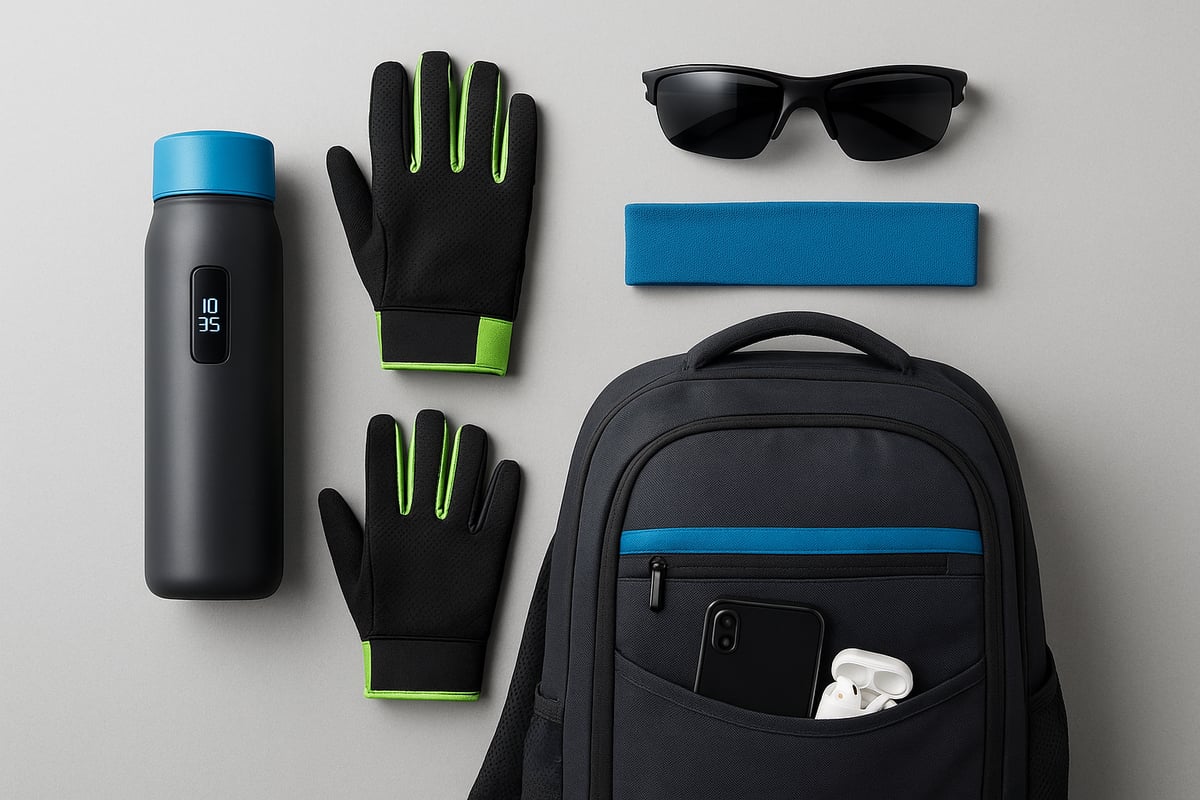
Staying hydrated is crucial for peak performance, and the right hydration accessories can seamlessly integrate with your training gear. Modern options cater to every environment, from insulated bottles that keep drinks cool to lightweight hydration packs for endurance athletes.
Popular hydration solutions include:
- Collapsible water bottles for portability and easy storage
- Hands-free hydration belts with adjustable fits for runners
- Insulated bottles with temperature retention for all-weather training
Features like leak-proof lids, measurement markings, and ergonomic designs improve usability. Some advanced bottles even offer built-in filtration or tracking of daily water intake. Selecting hydration gear that matches your activity and training gear ensures you stay fueled and focused during every workout.
Gloves, Headwear, and Sunglasses
Accessories such as gloves, headwear, and sunglasses are often overlooked, yet they play a vital role in optimizing your training gear. Quality training gloves provide grip and protection, reducing the risk of blisters and enhancing your hold during lifts or cycling.
Key accessory options:
- Breathable gloves with reinforced palms for extra durability
- Sweat-wicking headbands, caps, and beanies for sweat and sun management
- UV-protective, polarized sunglasses for comfortable outdoor training
These accessories boost comfort and safety, especially in variable weather or high-intensity environments. Integrating them with your training gear supports longer, more enjoyable sessions and protects you from the elements.
Bags and Packs: Organizing Your Gear
Keeping your training gear organized is essential for efficiency and convenience. Modern gym bags and backpacks are designed with athletes in mind, offering specialized compartments for shoes, wet clothes, and tech accessories.
Top features to look for:
- Waterproof linings to separate damp items from dry gear
- Ventilated sections to reduce odor and moisture buildup
- Dedicated sleeves for laptops or smart devices
A well-designed bag streamlines transitions between home, gym, and outdoor workouts. Investing in the right organizational accessories helps protect your training gear and ensures you always have essentials ready for action.
Training Equipment Essentials for Home and Gym
Selecting the right training gear for both home and gym settings is crucial for building strength, improving mobility, and supporting overall fitness goals. With advancements in design and materials, today’s equipment offers unmatched versatility and effectiveness.
Free Weights and Resistance Tools
Free weights remain a cornerstone of effective training gear, offering flexibility for a range of exercises. Dumbbells, kettlebells, barbells, and resistance bands each deliver unique benefits, enabling progressive overload and precise muscle targeting.
Modern training gear in this category now features improved grip coatings, adjustable weight systems, and enhanced durability. For example, adjustable dumbbells allow seamless weight changes, while resistance bands offer variable tension levels. This adaptability means both beginners and advanced athletes can tailor their routines.
Table: Common Free Weights and Their Benefits
| Equipment | Key Benefit | Material Innovation |
|---|---|---|
| Dumbbells | Versatile strength work | Non-slip grip coatings |
| Kettlebells | Functional movements | Textured handles |
| Barbells | Heavy compound lifts | Corrosion-resistant steel |
| Resistance Bands | Joint-friendly training | Snap-resistant latex |
Incorporating quality training gear like these free weights ensures your workout remains effective and safe, whether at home or in the gym.
Bodyweight and Functional Training Gear
Bodyweight and functional training gear expands the possibilities for any fitness space. Pull-up bars, suspension trainers, and plyometric boxes are compact yet powerful additions to your training gear collection. These tools support a wide range of movements, from upper body pulls to explosive jumps.
Portability is a key advantage. Many training gear options, such as suspension trainers or multifunctional resistance kits, pack down small for travel or home storage. This makes it easy to maintain your routine wherever you are.
- Pull-up bars: Installable in doorways or on walls.
- Suspension trainers: Anchor to doors or beams for full-body workouts.
- Plyometric boxes: Stackable and lightweight for agility drills.
- Multifunctional kits: Combine bands, handles, and anchors for diverse exercises.
With the right training gear, you can achieve comprehensive strength and mobility training without the need for bulky machines.
Recovery and Mobility Tools
Recovery and mobility tools are now essential components of every training gear setup. Foam rollers, massage balls, and recovery boots help reduce muscle soreness and speed up repair. These tools are designed for targeted muscle relief and improved flexibility.
The importance of post-workout recovery cannot be overstated. Industry statistics show that athletes using recovery-focused training gear experience up to 30% faster muscle repair. By incorporating these tools, you support long-term progress and minimize injury risk.
From compact foam rollers to advanced recovery boots, investing in the right training gear ensures your body is ready for every workout.
Smart Tech and Wearables: The Future of Training Gear
Smart tech and wearables are redefining the landscape of training gear. As we look to 2026, innovation is accelerating, blending cutting-edge technology with performance apparel and equipment. These advancements are not only changing how athletes train but also how they monitor progress, recover, and stay motivated.
The integration of digital tools with traditional training gear supports a personalized, data-driven approach to fitness. From wrist-worn trackers to sensor-embedded clothing, the future promises deeper insights and greater convenience for every user.
Fitness Trackers and Smartwatches
Fitness trackers and smartwatches have become essential components of modern training gear. These devices now offer advanced features such as continuous heart rate monitoring, GPS-based route mapping, and real-time workout analytics.
Integration with popular training apps allows users to receive tailored coaching, track hydration levels, and even analyze sweat composition. The ability to sync data across platforms streamlines progress tracking and goal setting for both amateur and professional athletes.
When comparing devices, consider the following features:
| Feature | Entry-Level Tracker | Advanced Smartwatch |
|---|---|---|
| Heart Rate Monitoring | Basic | Continuous, Advanced |
| GPS Tracking | Limited | Full, Multi-Sport |
| Workout Analytics | Standard | Personalized, AI-driven |
| App Integration | Minimal | Extensive |
The right device can transform your approach to training gear by providing actionable feedback and encouraging consistency. As technology evolves, expect even more precise biometric tracking and seamless device integration.
Smart Apparel and Connected Equipment
Smart apparel is revolutionizing training gear with embedded sensors that deliver real-time feedback on movement, posture, and muscle activation. Shirts, leggings, and shoes now feature biometric sensors, temperature regulation, and even haptic feedback for corrective coaching.
Connected equipment, such as smart mats and intelligent weights, syncs effortlessly with mobile devices to monitor performance and suggest improvements. These innovations cater to athletes seeking immediate insights and enhanced safety during each session.
Sustainability is gaining importance in this segment. Brands are now exploring eco-friendly materials and energy-efficient designs, as highlighted in Sustainable innovations in smart fashion. This shift not only reduces environmental impact but also aligns with the values of modern consumers.
Industry reports forecast a 20 percent growth in the wearable tech market by 2026, signaling widespread adoption and ongoing innovation in smart training gear.
Virtual Training and Augmented Reality
Virtual training and augmented reality are pushing the boundaries of what training gear can do. AR glasses and specialized apps now deliver immersive, guided workouts both at home and outdoors.
With virtual trainers and real-time feedback, users experience interactive coaching that adapts to their performance. These technologies create highly motivating environments, making every session engaging and productive.
Immersive fitness experiences are especially valuable for those seeking variety or extra motivation. As AR and VR hardware becomes more accessible, expect these features to become standard components of training gear. This evolution ensures that athletes and enthusiasts alike benefit from the latest advancements, making their fitness journey more effective and enjoyable.
Care, Maintenance, and Longevity of Training Gear
Taking care of your training gear is essential if you want to maximize performance and keep your investment lasting longer. Proper maintenance routines not only preserve the look and feel of your equipment, but also help maintain its functionality and hygiene. Let’s explore how to clean, repair, and extend the lifespan of your favorite training gear for 2026 and beyond.
Cleaning and Storage Best Practices
Maintaining the cleanliness of your training gear is vital for both performance and health. Always follow the manufacturer’s care instructions for high-tech fabrics and smart equipment. Most moisture-wicking apparel and accessories should be washed in cold water with mild detergent to prevent damage to performance fibers and to maintain breathability.
Avoid using fabric softeners or bleach, as these can degrade the technical properties of your training gear. For odor prevention, consider air-drying your items rather than using a dryer. This helps preserve elasticity and shape, especially for compression wear and smart fabrics.
Proper storage goes a long way toward maintaining your gear’s longevity. Store shoes and apparel in a dry, ventilated area to prevent mold and bacteria growth. Use mesh laundry bags for smaller gear like socks or gloves, and avoid stacking heavy items that could deform the structure of your training gear.
Repair, Replacement, and Sustainability
Knowing when to repair or replace training gear can save you money and reduce environmental impact. Inspect your gear regularly for signs of wear, such as thinning fabrics, stretched elastic, or worn-out soles. Small fixes, like patching minor tears or replacing insoles, can extend the usable life of your training gear.
When replacement is necessary, look for brands offering recycling programs or trade-in incentives. Many companies now provide eco-friendly disposal options to keep old training gear out of landfills. For more tips on maintaining your equipment and optimizing recovery, check out the Top 10 Recovery Tips.
By choosing sustainable practices and supporting ethical brands, you contribute to a healthier planet while ensuring your training gear stays in top form.
Maximizing Gear Life and Performance
Regular rotation of your training gear helps reduce overall wear and tear. Alternate between at least two pairs of shoes and sets of apparel to allow each item to fully dry and recover between uses. Monitor your gear for signs of fatigue, such as loss of support or persistent odors, which can impact both comfort and performance.
Industry studies show that regular maintenance routines can extend the life of training gear by up to 40 percent. Simple habits, like cleaning after every use and storing gear properly, make a significant difference in durability. Investing a little extra time in care now ensures your training gear delivers consistent results and keeps you motivated for every session.
As we’ve explored, having the right training gear truly shapes your fitness journey—from innovative fabrics and supportive fits to the latest in smart tech and sustainable choices. If you’re ready to upgrade your workout essentials and experience the difference that expertly crafted apparel can make, Elena Apparel is here to help you reach your goals with confidence and style. Their award winning focus on comfort, functionality, and customer satisfaction ensures you’ll find pieces designed to empower your performance. Take the next step toward your best training year yet—discover your new favorites and Order Now.